


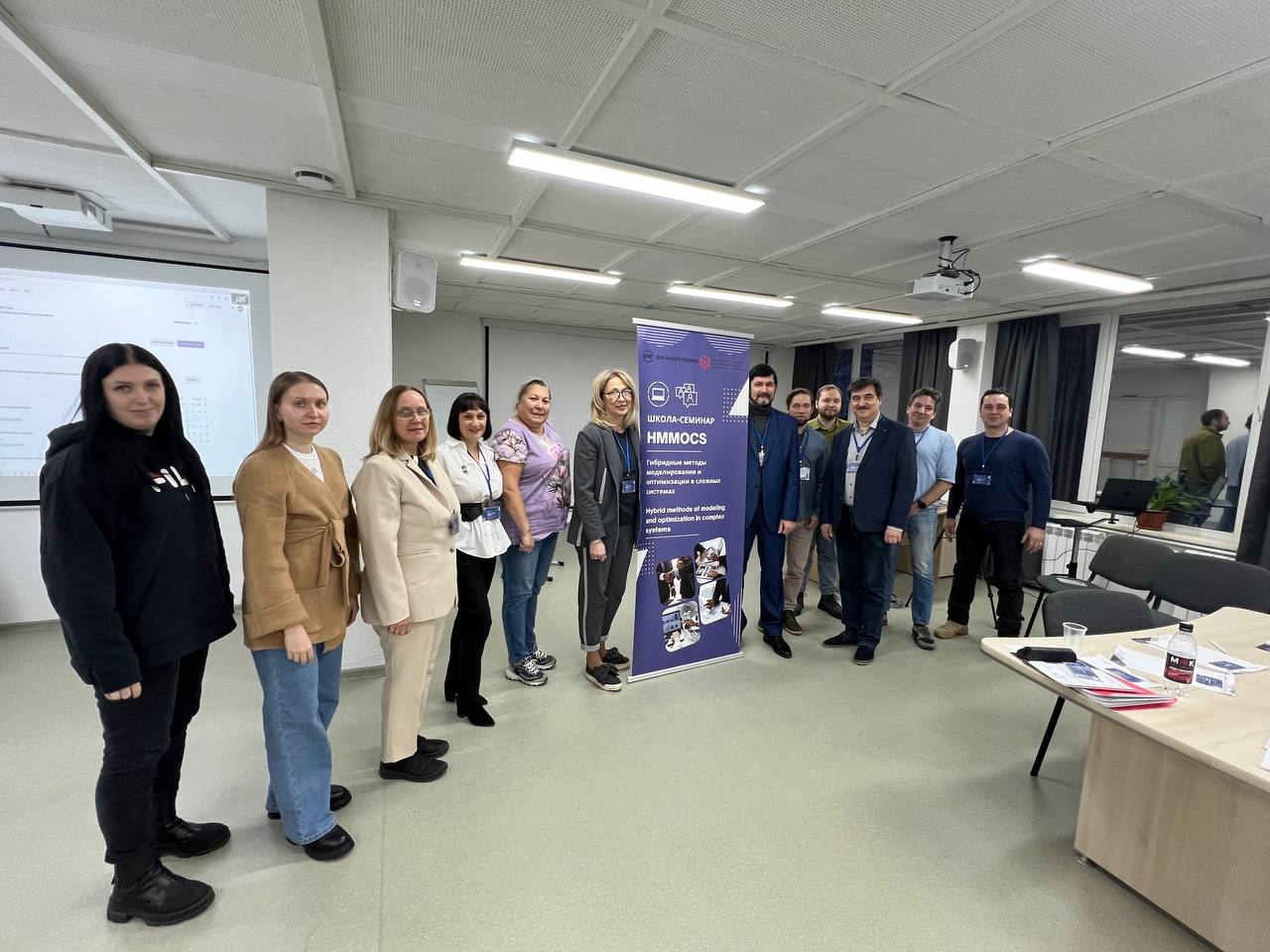
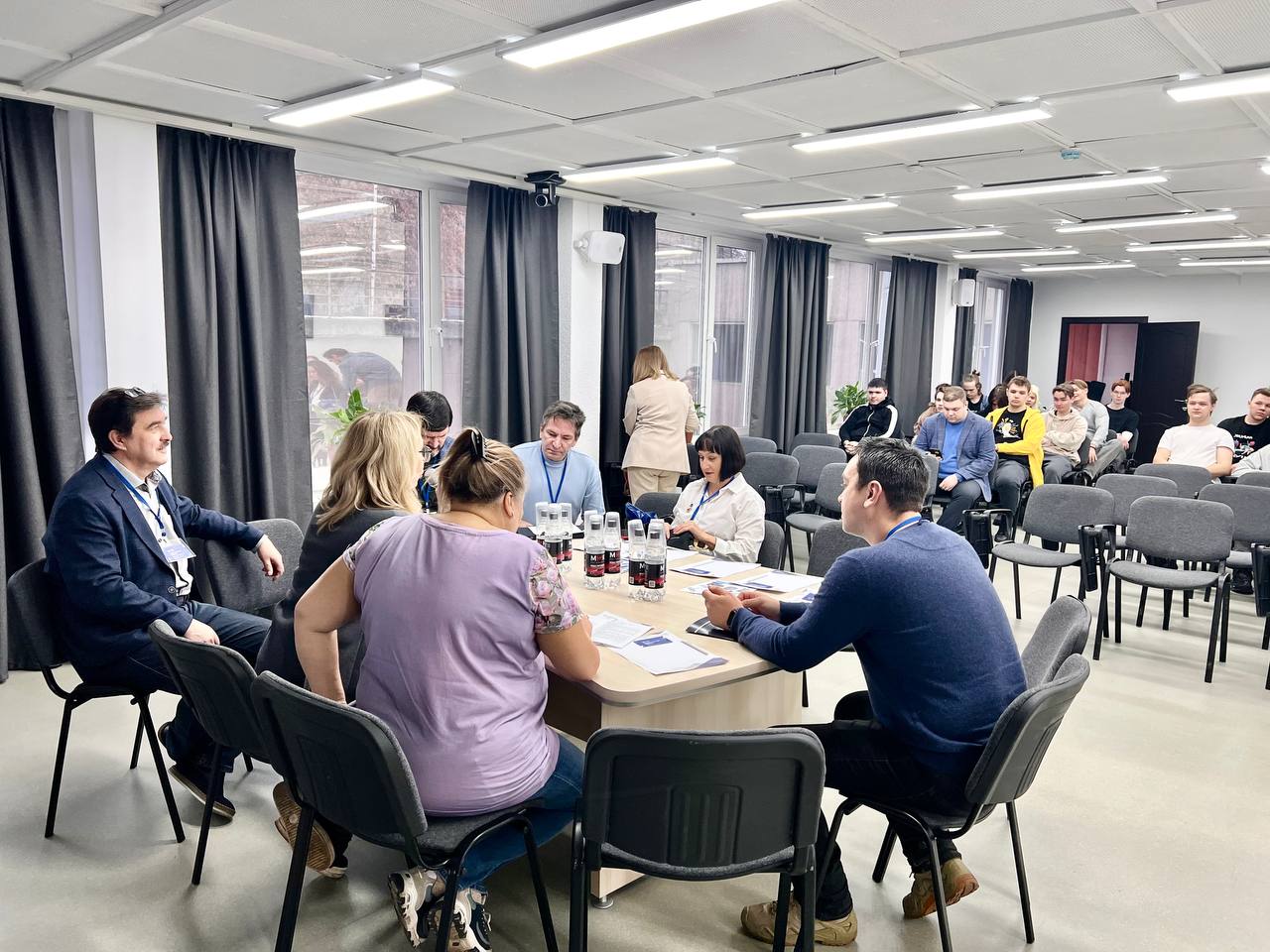
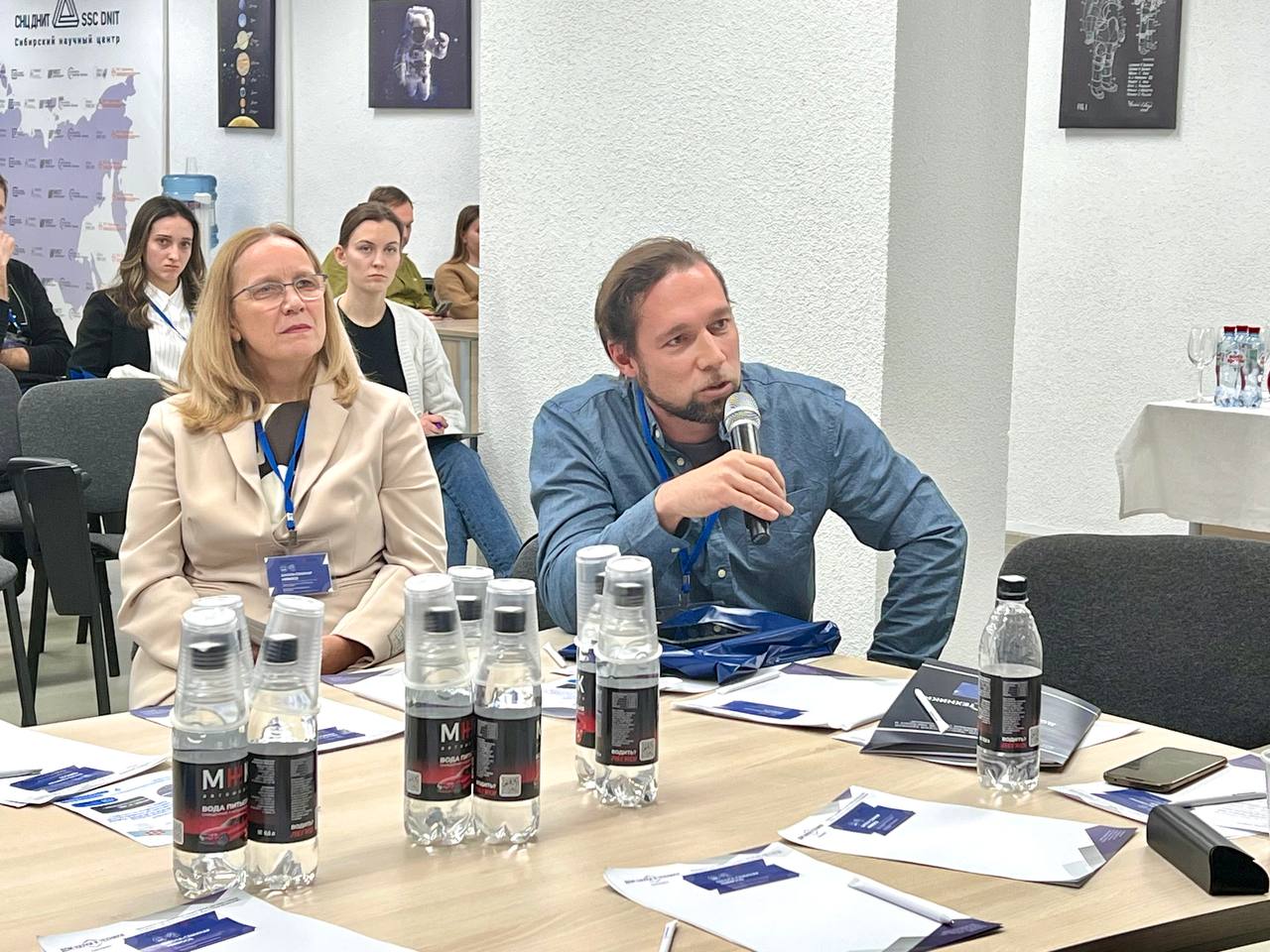
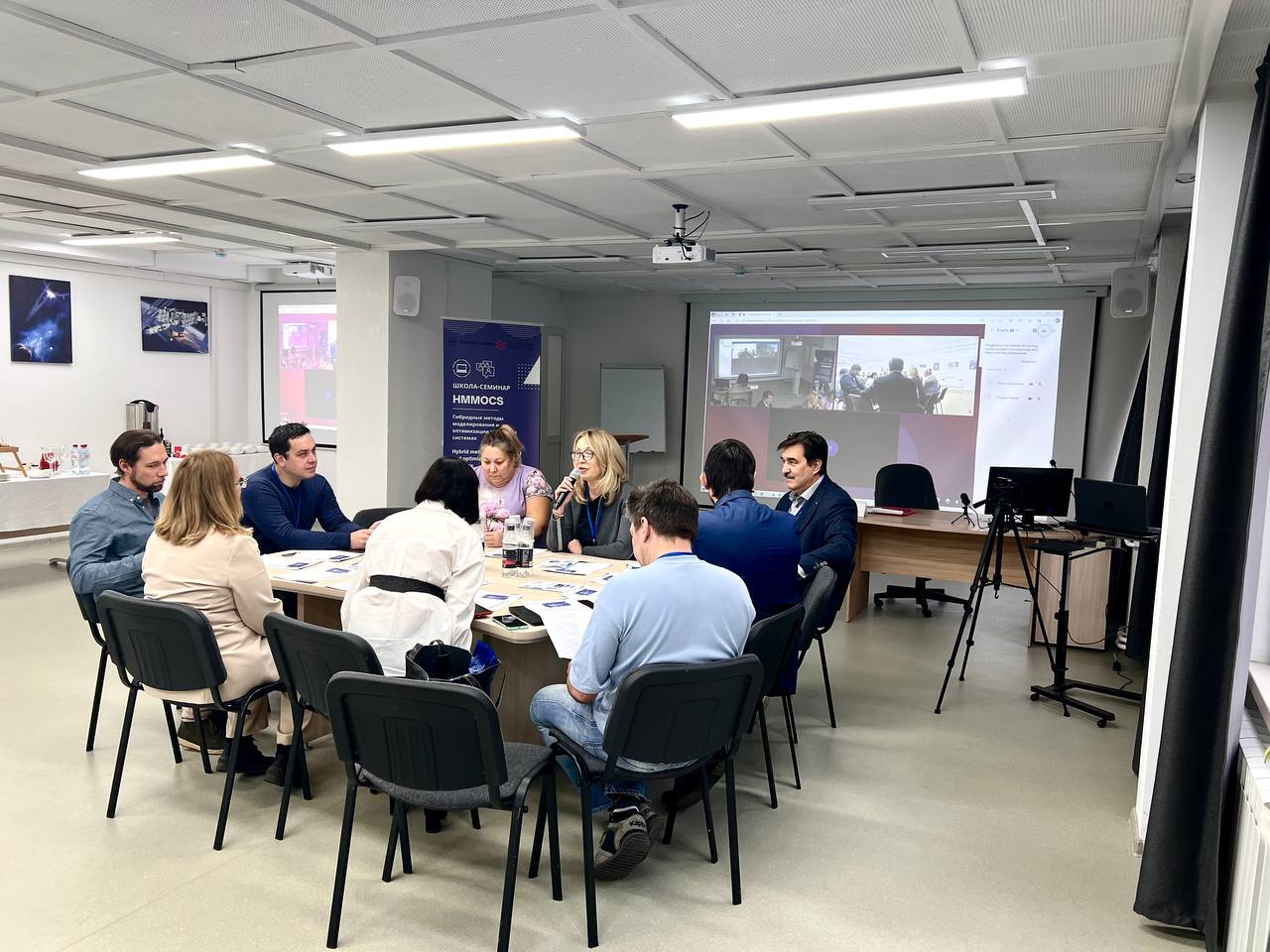
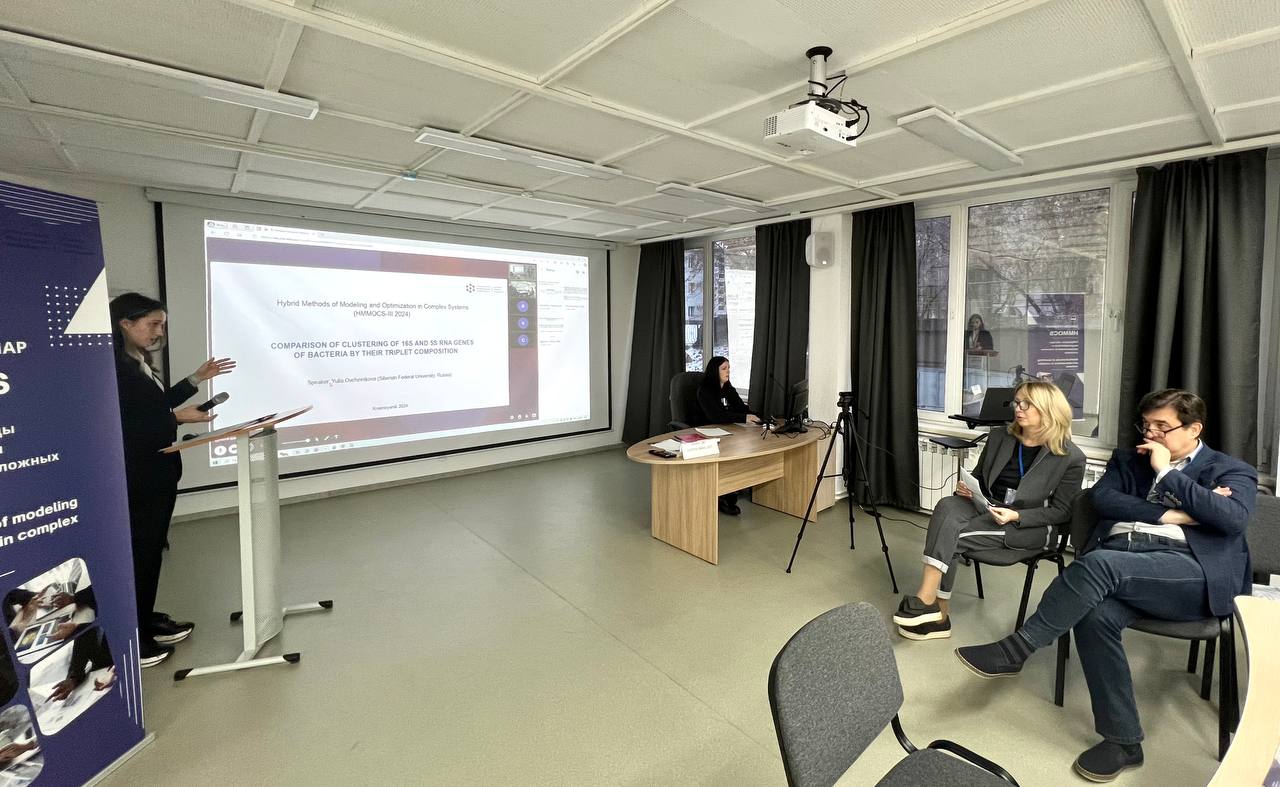
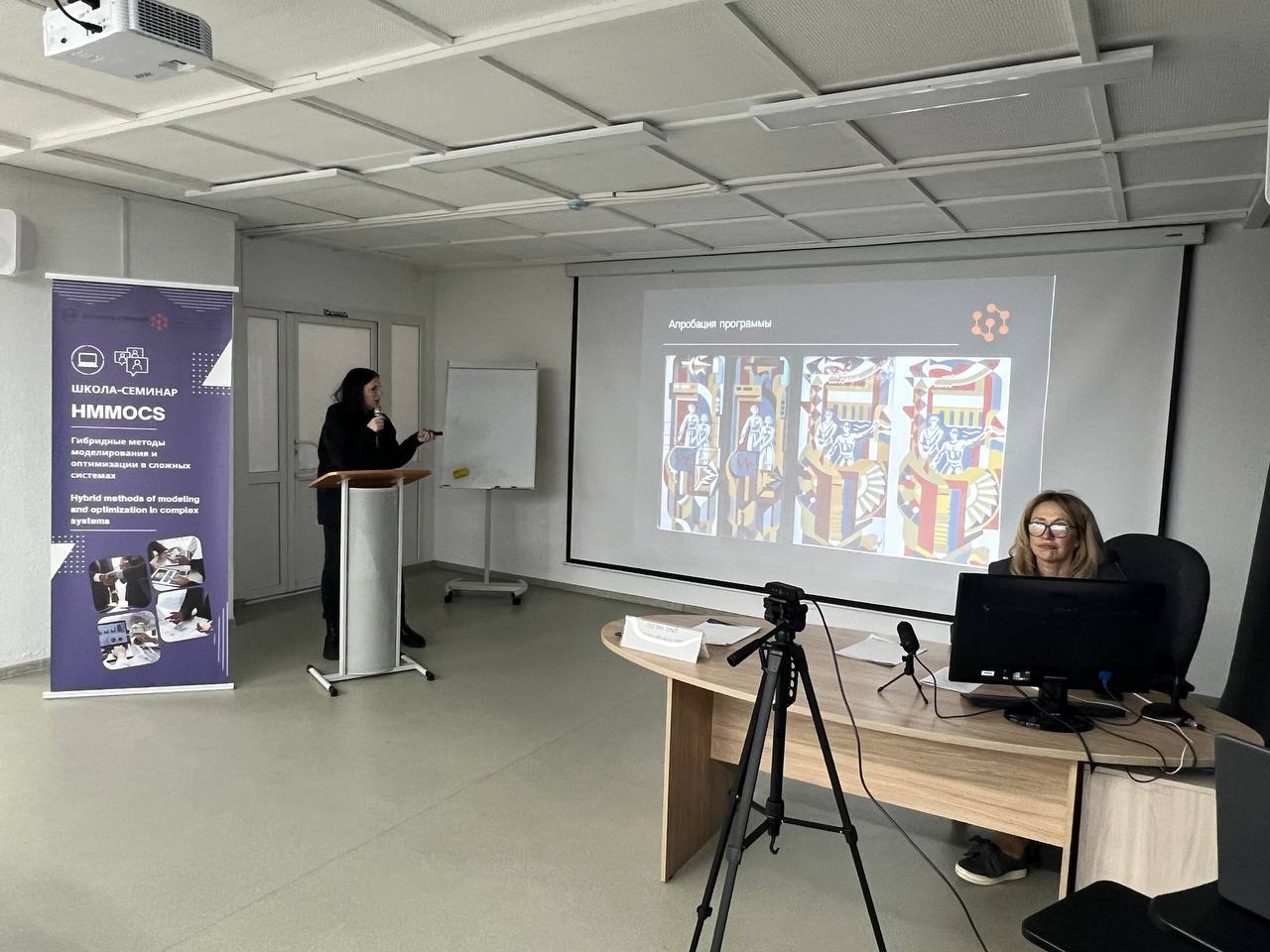
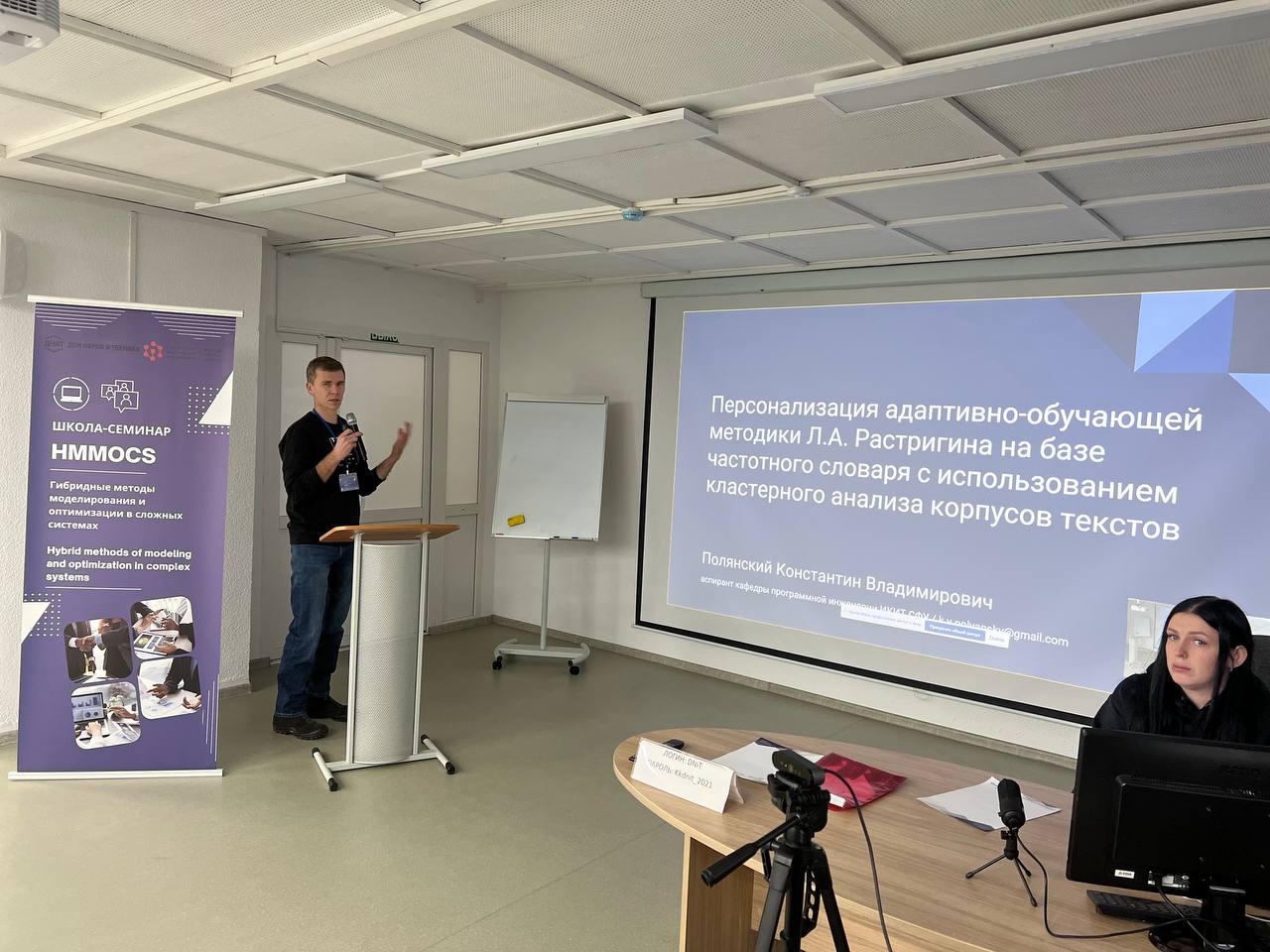
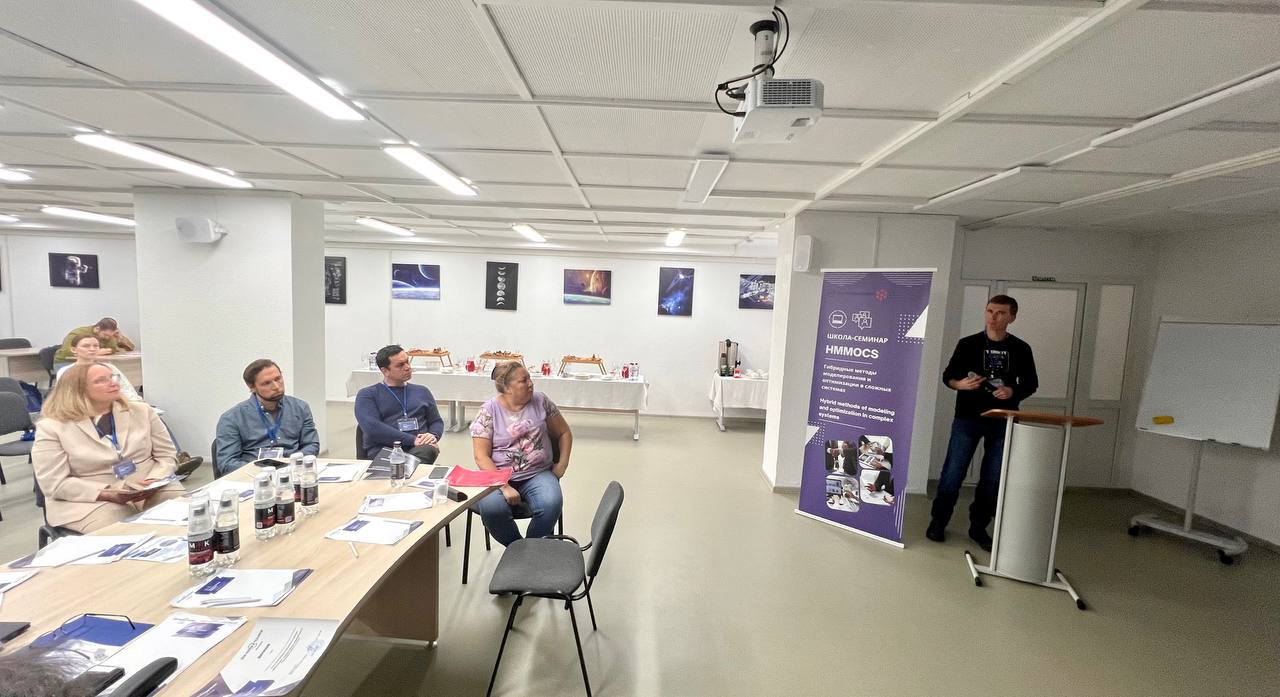
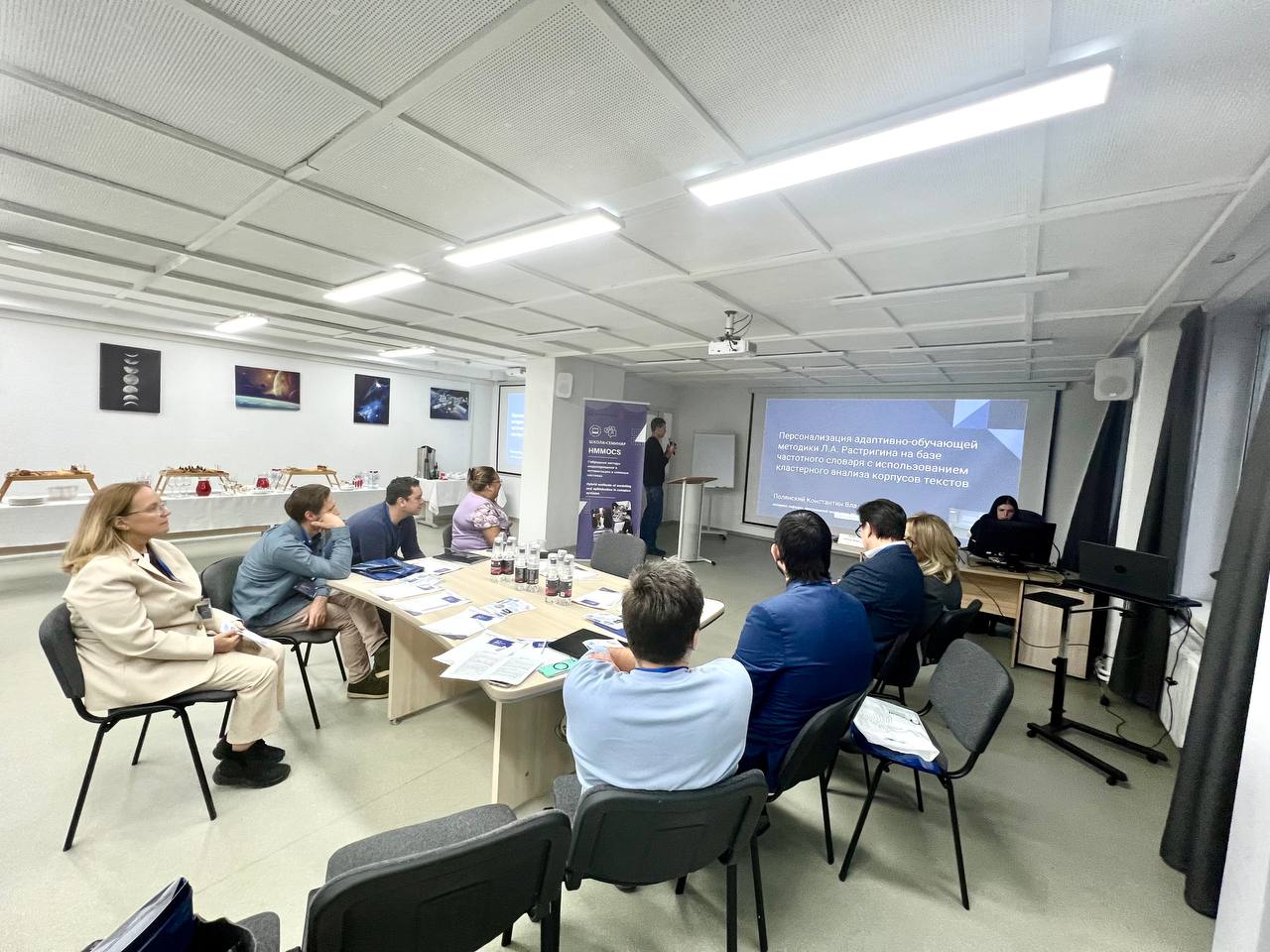
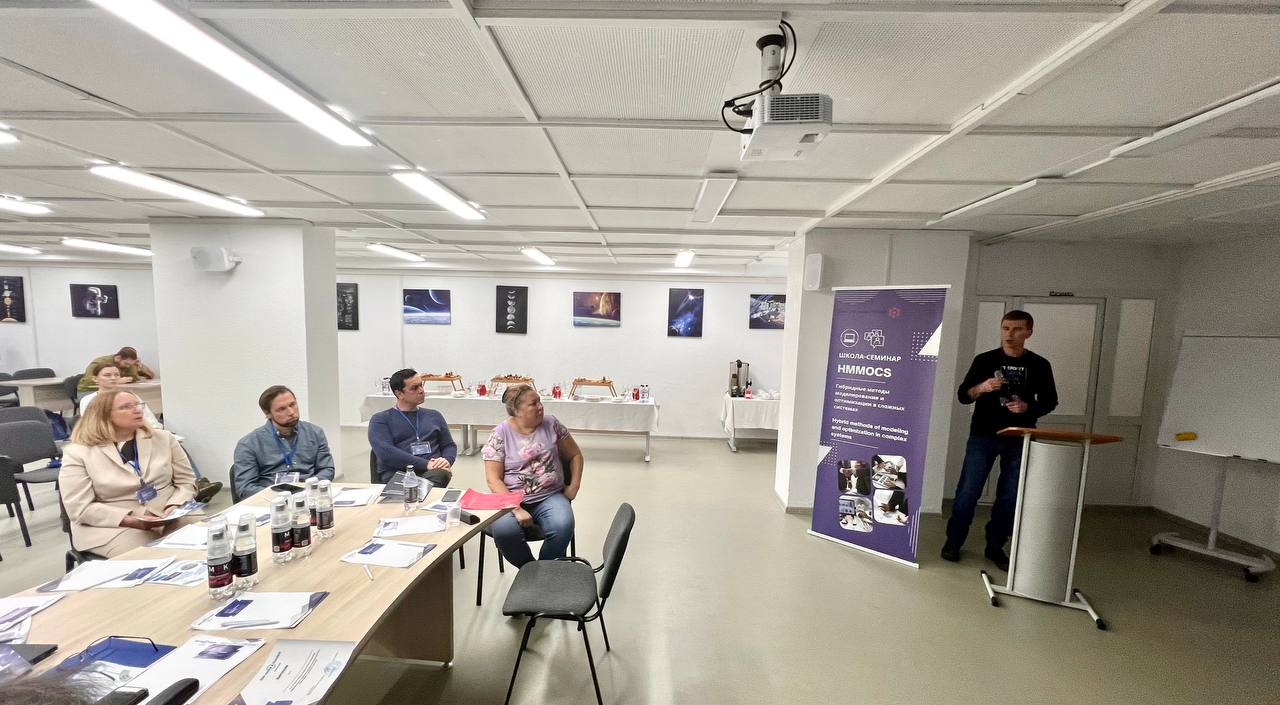
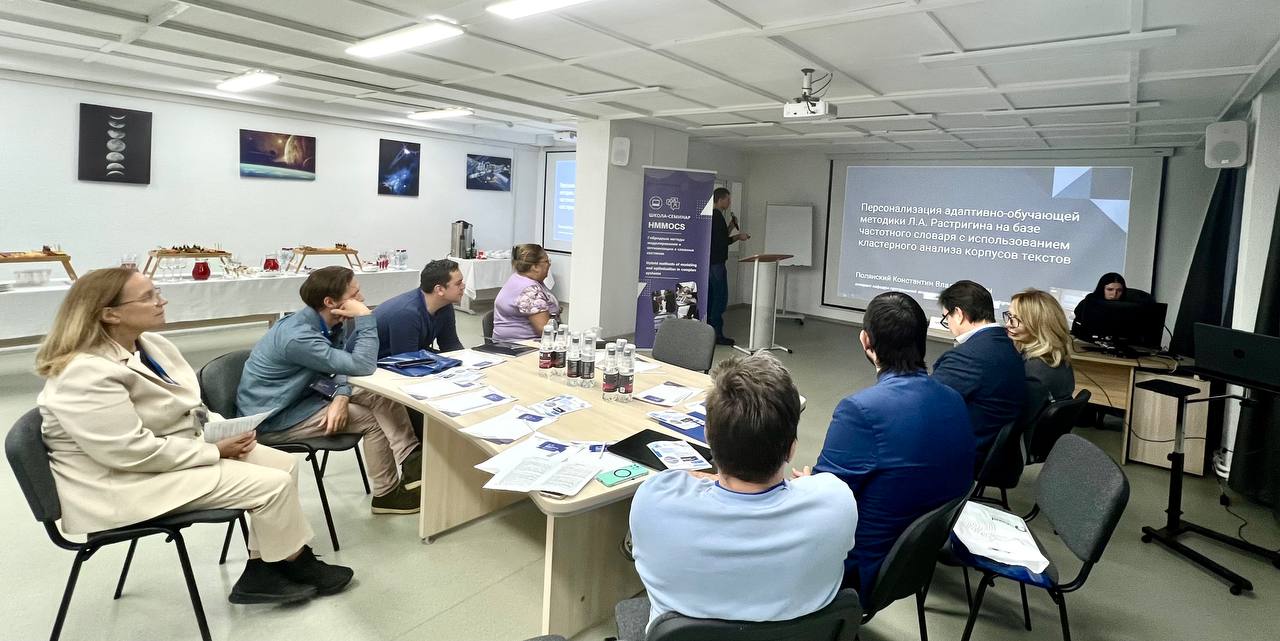
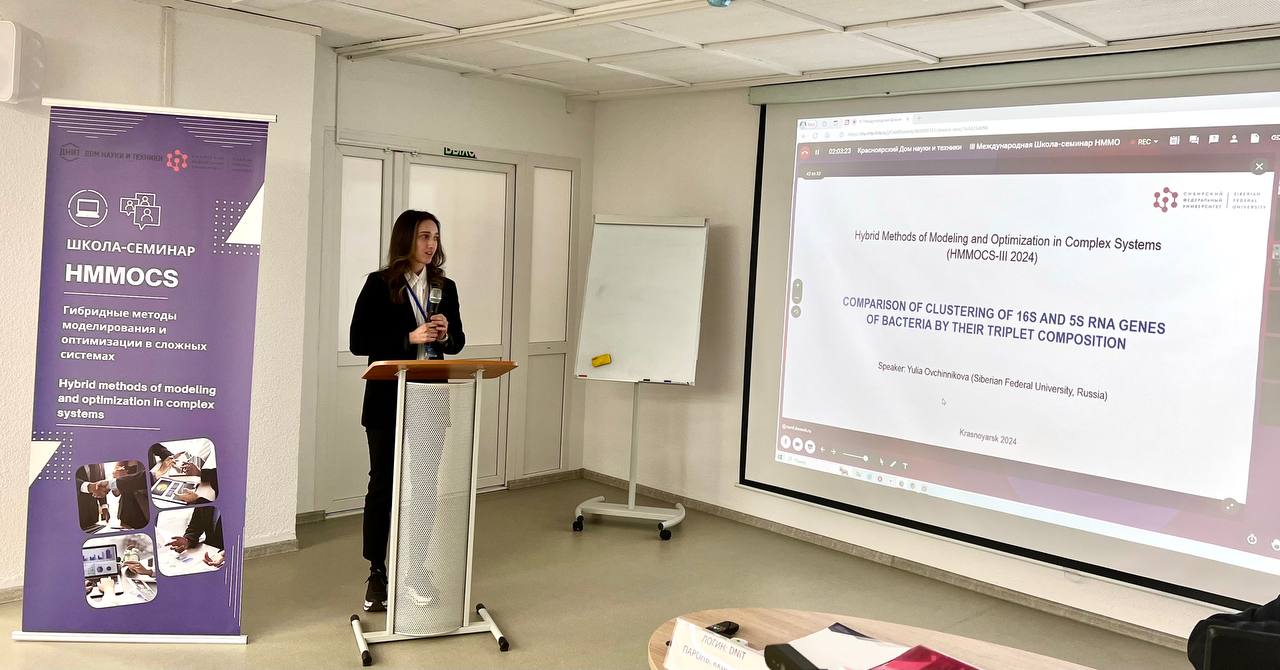
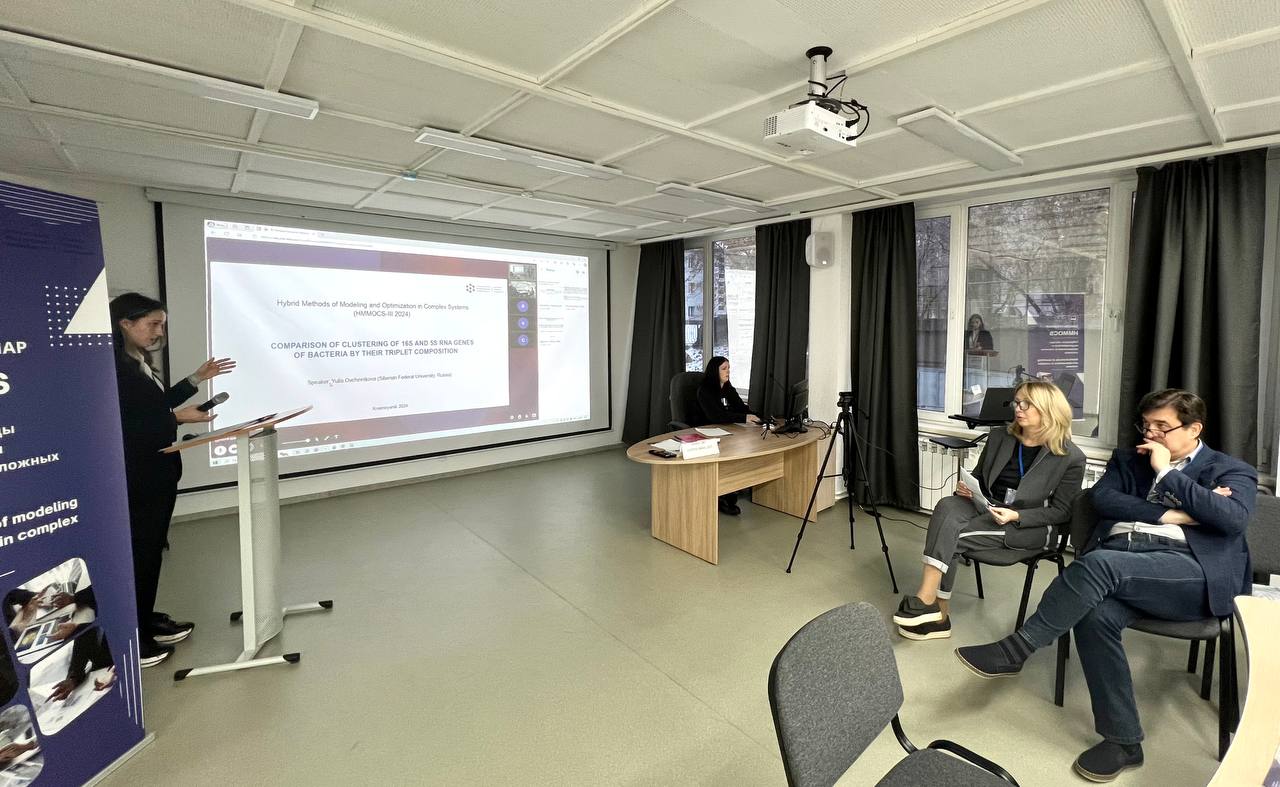
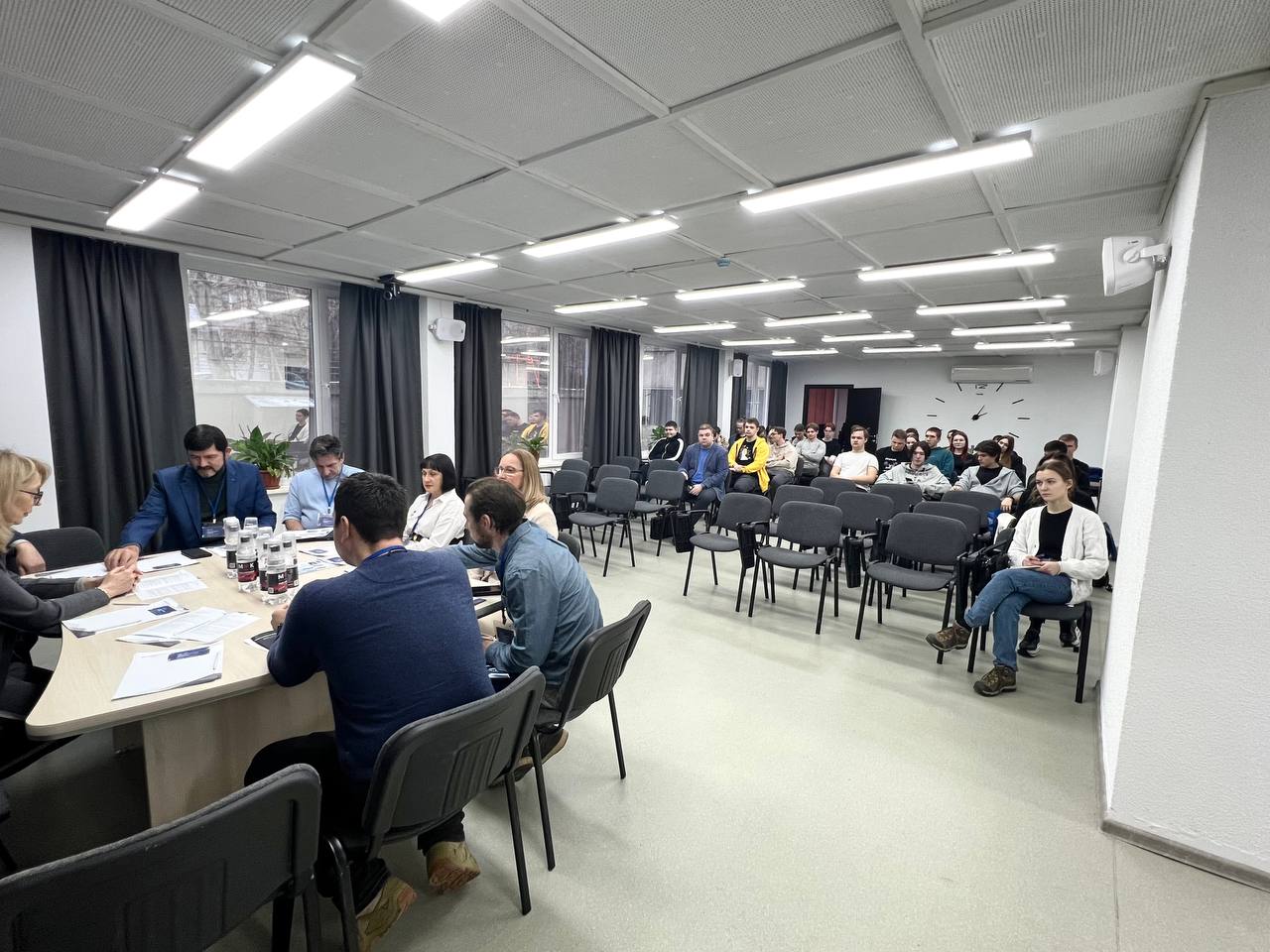
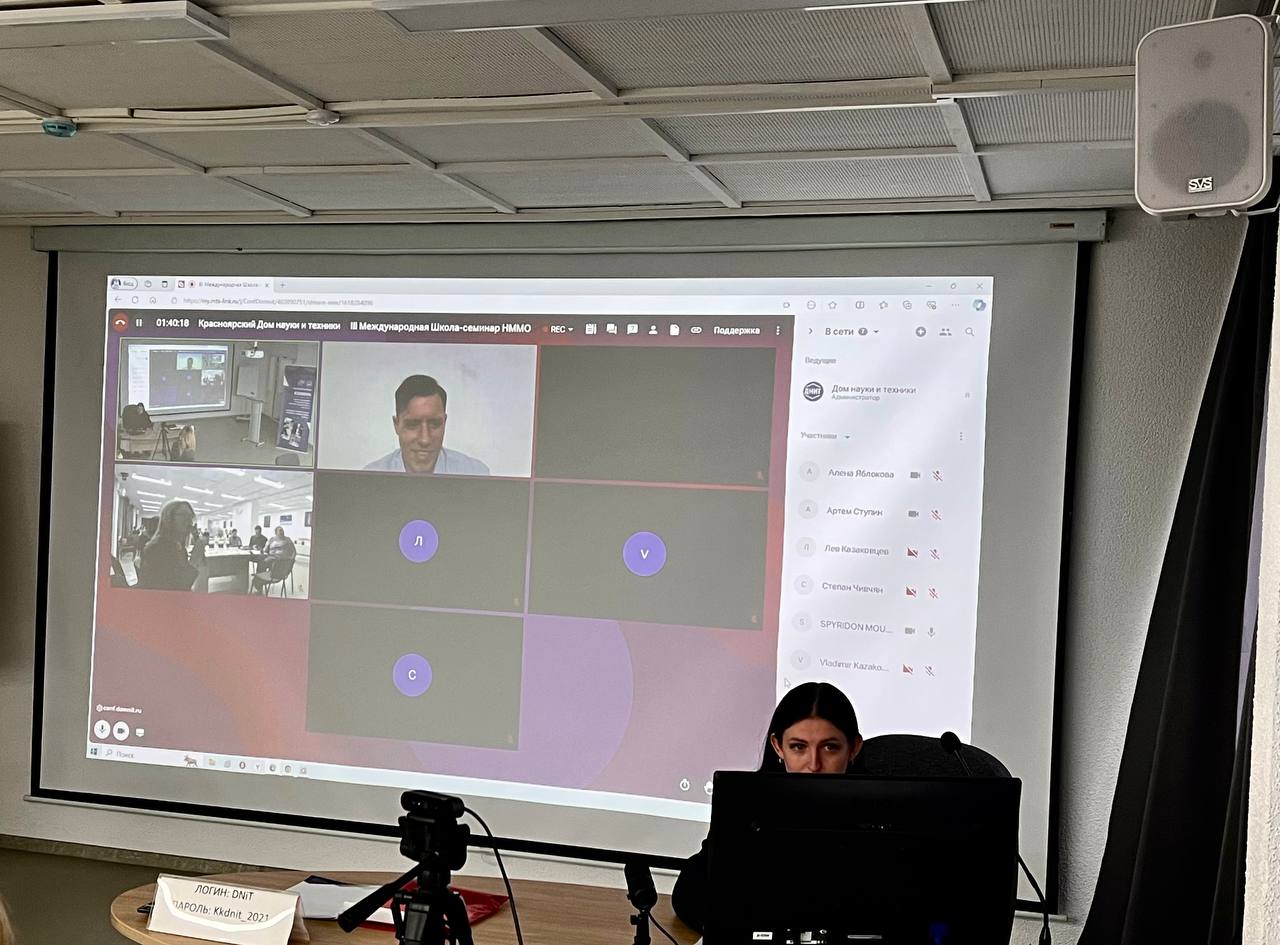
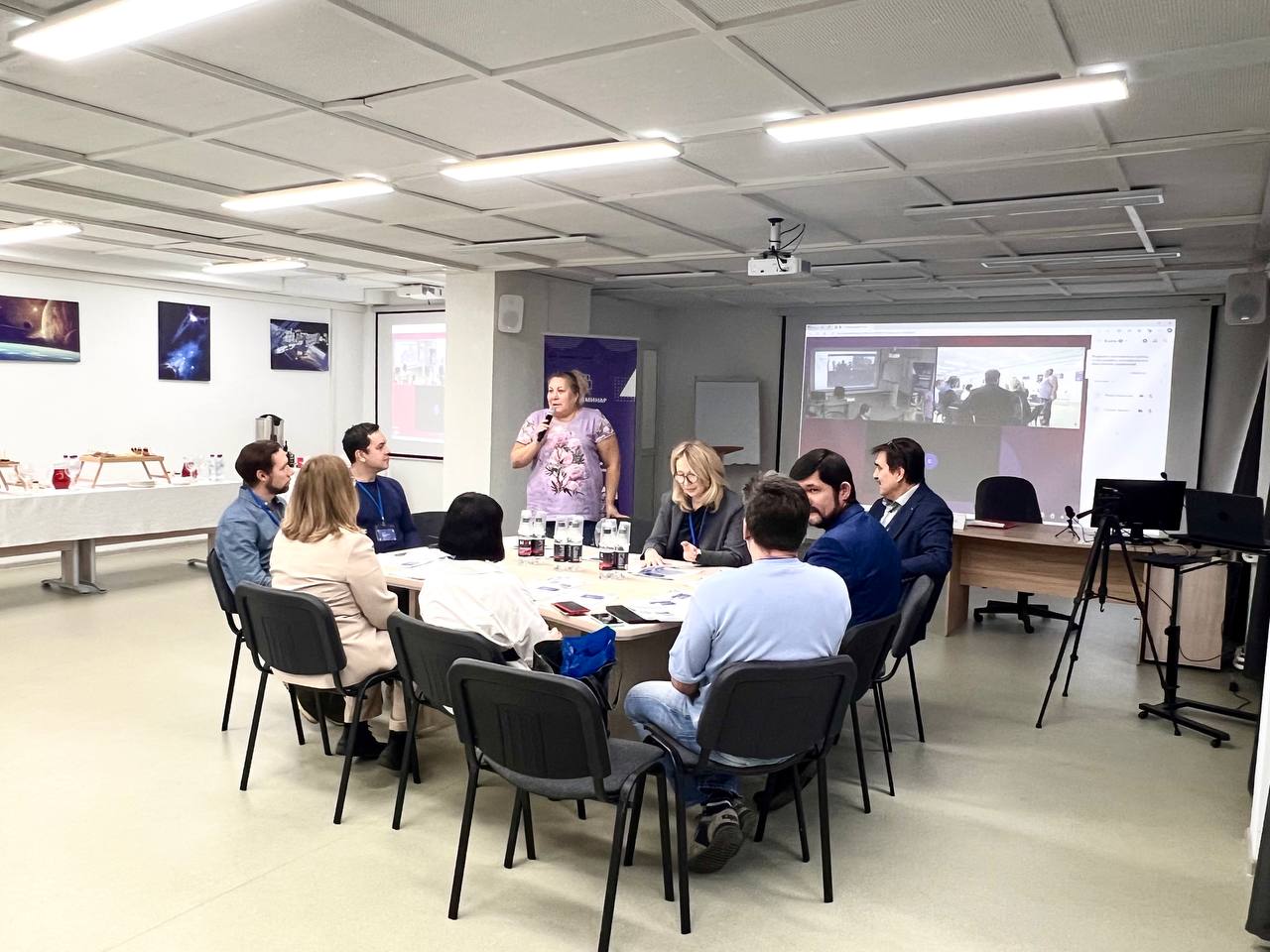
On December 2, 2024, the Krasnoyarsk Science and Technology City Hall hosted the III International Workshop on Hybrid Modeling Methods. The event, organized by Siberian Federal University with support from the Russian Ministry of Science and Higher Education (Grant No. 075-15-2022-1121), was held in a hybrid format, bringing together about 100 participants both in-person and online.
The workshop was opened by the grant supervisor, Alena Alexandrovna Stupina, who emphasized the importance of interdisciplinary approaches in modern research and expressed hope for fruitful international collaboration.
The plenary session program featured presentations by leading scientists from Russia, Serbia, Greece, and India, covering a wide range of topical issues in artificial intelligence, machine learning, and optimization:
- Predrag Stanimirovic (University of Niš, Serbia) presented a report on continuous-time recurrent neural networks.
- Spyridon Mourtas (National and Kapodistrian University of Athens, Greece) discussed credit approval classification using the bio-inspired WASD neural network.
- Artem Stupin (Birla Institute of Technology, India; Siberian Federal University, Russia) spoke about optimizing traffic light phases at adjacent intersections.
- Kachhwaha Neetu (University of Rajasthan, India) presented research on the potential of edutainment and gamification in education.
- Alexander Blinnikov (Krasnoyarsk State Agrarian University, Russia) talked about the application of the U-Net generative adversarial network in image processing.
Speakers from Siberian Federal University included Vladimir Kazakovtsev, Ivan Rozhnov, Amelia Grace, Konstantin Polyansky, Yulia Ovchinnikova, Vadim Spirin, and Maria Pokushko, covering topics from artificial intelligence in industry to evaluating the efficiency of complex systems.
Key research areas included:
- Neural networks and machine learning for solving complex problems in various fields
- Optimization of urban systems, particularly traffic management
- Innovations in the financial sector and educational technologies
- Computer vision and image processing with broad practical applications
- Bioinformatics, including genetic data analysis
- Application of blockchain technologies for cybersecurity
The international nature of the workshop provided a diversity of approaches and perspectives, contributing to the strengthening of scientific ties between countries. The event clearly demonstrated how global cooperation in hybrid modeling methods can lead to innovative solutions to current problems in various fields of science and life.
The workshop concluded with a summary of results and closing remarks from the organizers, opening new perspectives for further research and collaboration.


